
I was very pleased with our pest service today. We were having an issue with ants in a couple areas. With the treatment and stop back by Mike as well as some suggestions on sealing them out, so far so good.
#1 Best Pest Control for Asian Cockroaches
At Impact Pest Control, we identify the species, find the conditions supporting outdoor activity, and build a treatment plan designed specifically to protect your property. Fill out the form or give us a call today for a fast and free assessment for your home.
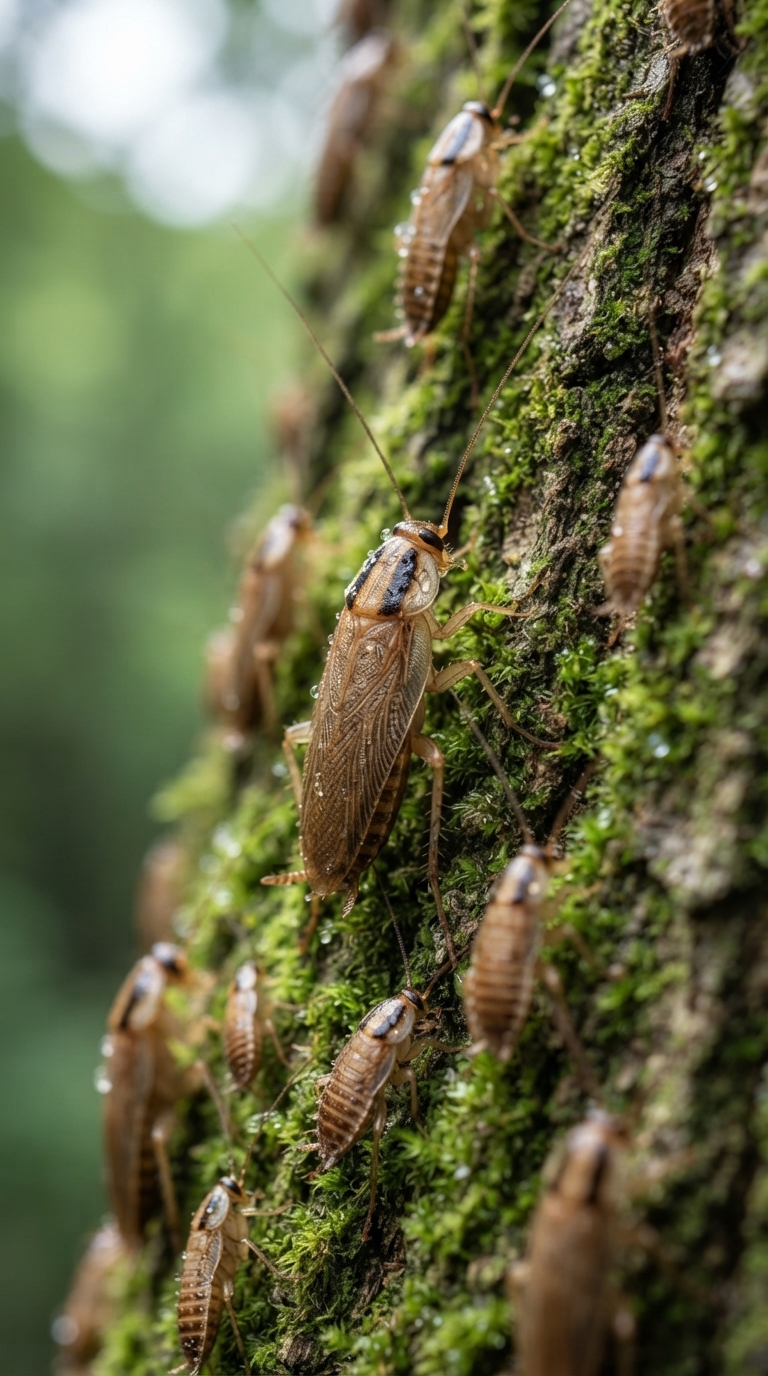
Trusted by 6,000+ homeowners

How to Get Rid of Asian Cockroaches
At Impact Pest Control, we provide professional Asian cockroach control designed to eliminate pests, identify entry points, and help prevent Asian cockroaches from repeatedly finding their way into your home.

Signs Asian Cockroaches Are Around Your Home
Asian cockroach activity tends to be easy to recognize once you know what you’re looking for.
Roaches Flying Toward Lights
Small roaches that suddenly take flight around porch lights, windows, or exterior lighting are a strong indicator of Asian cockroach activity.
Roaches In Mulch Beds
Asian cockroaches commonly live in shaded areas containing mulch, leaf litter, compost, or dense vegetation.
Activity At Dusk
Populations become especially active around sunset, when adults leave their outdoor hiding places and begin moving toward light sources.
Roaches Flying When Disturbed
Walking through grass or landscaping can cause Asian cockroaches to suddenly scatter and fly.
Large Numbers Outside
Heavy outdoor populations can develop in favorable areas. Research has documented extremely high densities in damp, shaded leaf-litter habitats.
Occasional Indoor Roaches
Finding one near a lighted window doesn’t necessarily mean you have an indoor breeding colony. Asian cockroaches often enter accidentally while following light.
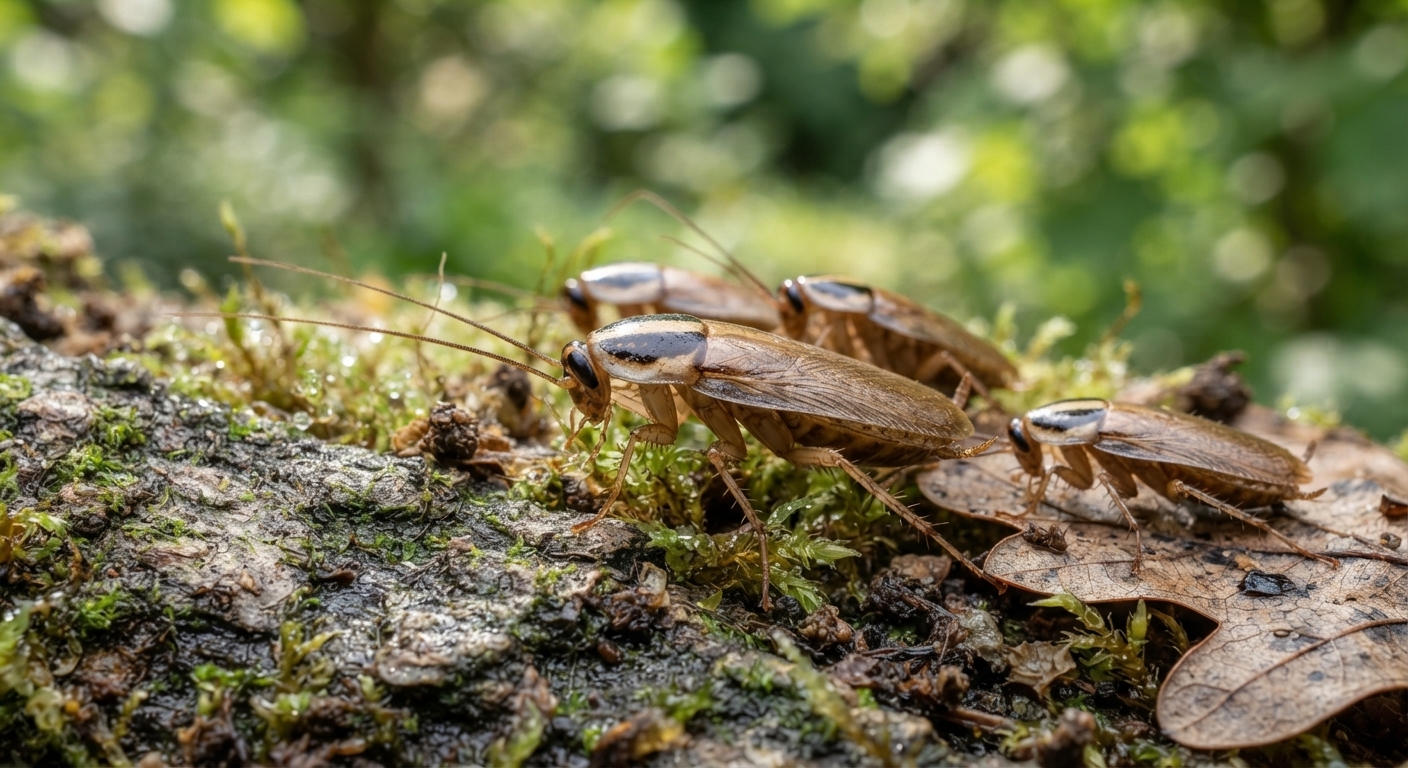
Identify and Get Rid of Roaches
Different cockroach species behave differently, which is why correct identification is critical for effective treatment.
All Roaches
Not what type of cockroach you're dealing with? Learn about general roach treatment plans for your home.
Learn more
German Roaches
Light brown roaches with two dark stripes behind the head that multiply quickly and stay hidden deep in kitchens and wall voids.
Learn more
American Roaches
Large reddish-brown roaches often found in sewers, basements, and drains that can fly short distances and enter structures from the outside.
Learn more
Brown-Banded Roaches
Warm-loving roaches that prefer dry, elevated hiding spots in furniture, cabinets, walls, and other protected areas.
Learn more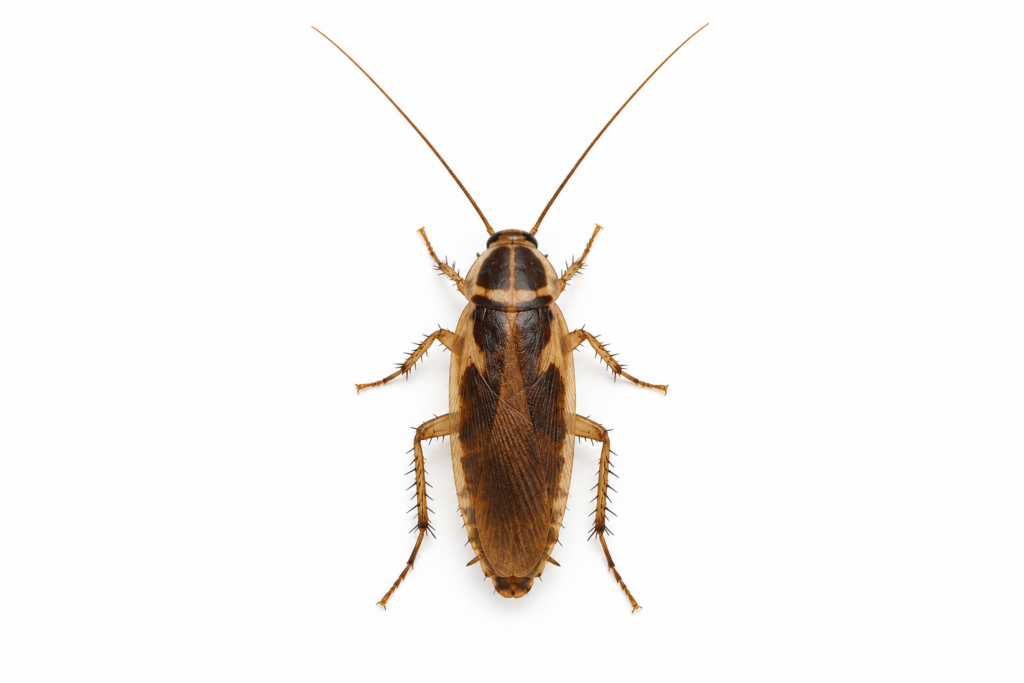
Oriental Roaches
Dark-colored roaches that prefer cool, damp areas such as drains, crawl spaces, basements, and areas around the foundation.
Learn more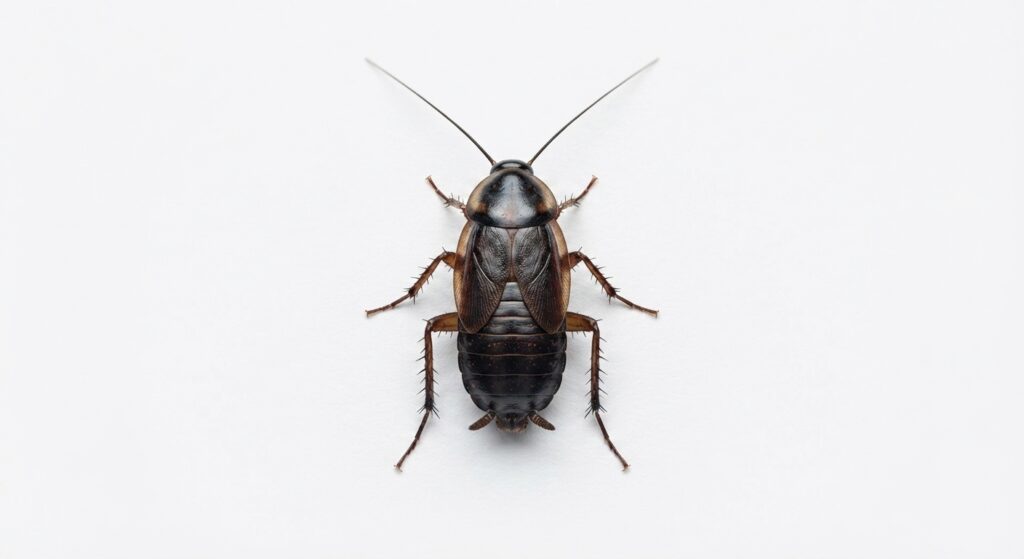
Smokybrown Roaches
Dark brown roaches that thrive in warm, humid outdoor areas and often enter homes from mulch, trees, attics, and other sheltered spaces.
Learn more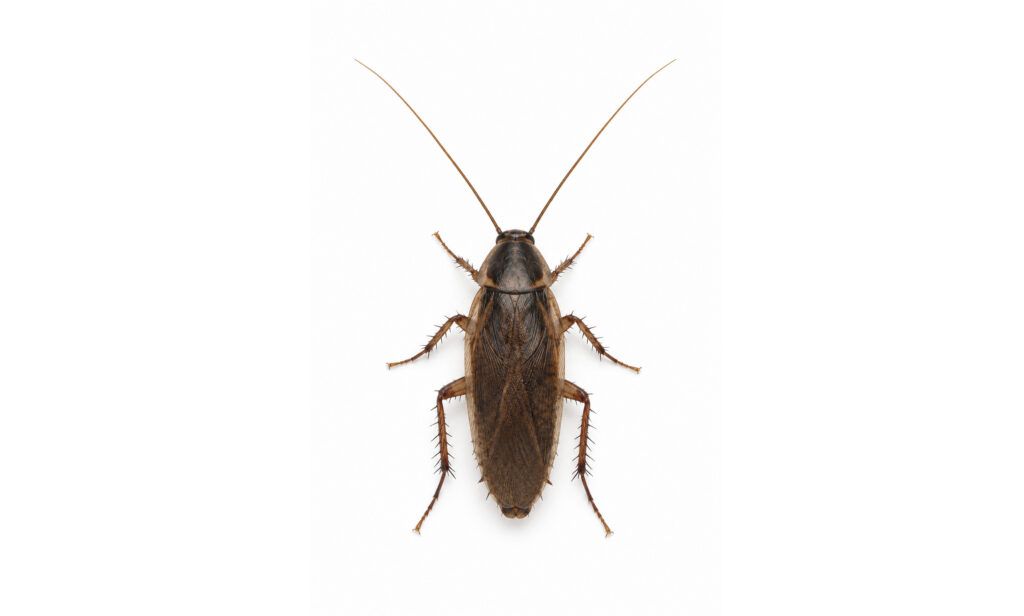
Asian Cockroach vs. German Cockroach
Asian and German cockroaches are close relatives, but their lifestyles are dramatically different.
The problem is that they can look nearly identical to German cockroaches. In many cases, behavior provides the best clue: if small striped roaches are readily flying around outdoor lights, Asian cockroaches are a strong possibility.
Professional pest control may be necessary because even trained professionals can have difficulty distinguishing the two species from a dead specimen based on appearance alone.
Start ServiceAsian Cockroaches: The Outdoor Roach
Primarily live outdoors, gather in vegetation and leaf litter, fly readily, and are attracted to lights after dark.
Asian cockroaches are small, fast-moving pests that can be surprisingly difficult to control. They look almost identical to German cockroaches, but there is one major difference: Asian cockroaches prefer to live outdoors and are strong fliers. They often gather in lawns, mulch beds, leaf litter, and other shaded areas before flying toward homes after sunset.
Adult Asian cockroaches are about 1/2 to 5/8 inch long with a tan or light brown body and two dark, parallel stripes behind the head. Their wings are relatively long and narrow, extending beyond the body.
German Cockroach: The Fast-Breeding Indoor Pest
Primarily live indoors, especially in kitchens and other warm areas near food and water, and do not have the same strong flying behavior.
German cockroaches usually measure less than 1 inch long. They have a light brown color with two dark stripes behind their head and are the species most commonly associated with indoor infestations.
German roaches prefer warm, humid areas close to food and water, especially kitchens, bathrooms, and areas around appliances. They reproduce extremely quickly, which allows a small infestation to become a major problem in a short amount of time.
Why Proper Identification Matters
Knowing whether you have Asian or German cockroaches helps determine the right treatment strategy. Treating an Asian cockroach problem like a German cockroach infestation can miss the source. Outdoor harborage and light attraction need to be addressed along with the building itself. Texas A&M notes that Asian cockroaches can occur outdoors in Texas and look very similar to German cockroaches.
A professional inspection can identify the species, locate where the infestation is coming from, and create a treatment plan designed for the specific type of roach affecting your home.
How Professional Asian Cockroach Control Works
Step 1: Inspect The Exterior
Effective Asian cockroach control starts outside. A trained pest control technician can help you identify the source of roaches around your home. The goal is to reduce the population around the structure and make the property less attractive to incoming roaches. We inspect landscaping, mulch beds, lawns, shaded areas, exterior walls, windows, doors, and other locations where Asian cockroaches may be hiding or entering the property.
Start Service
Step 2: Locate Outdoor Harborage
Our technicians look for the conditions that support Asian cockroach populations, including heavy leaf litter, dense vegetation, mulch, moisture, and protected areas close to the structure.
Start Service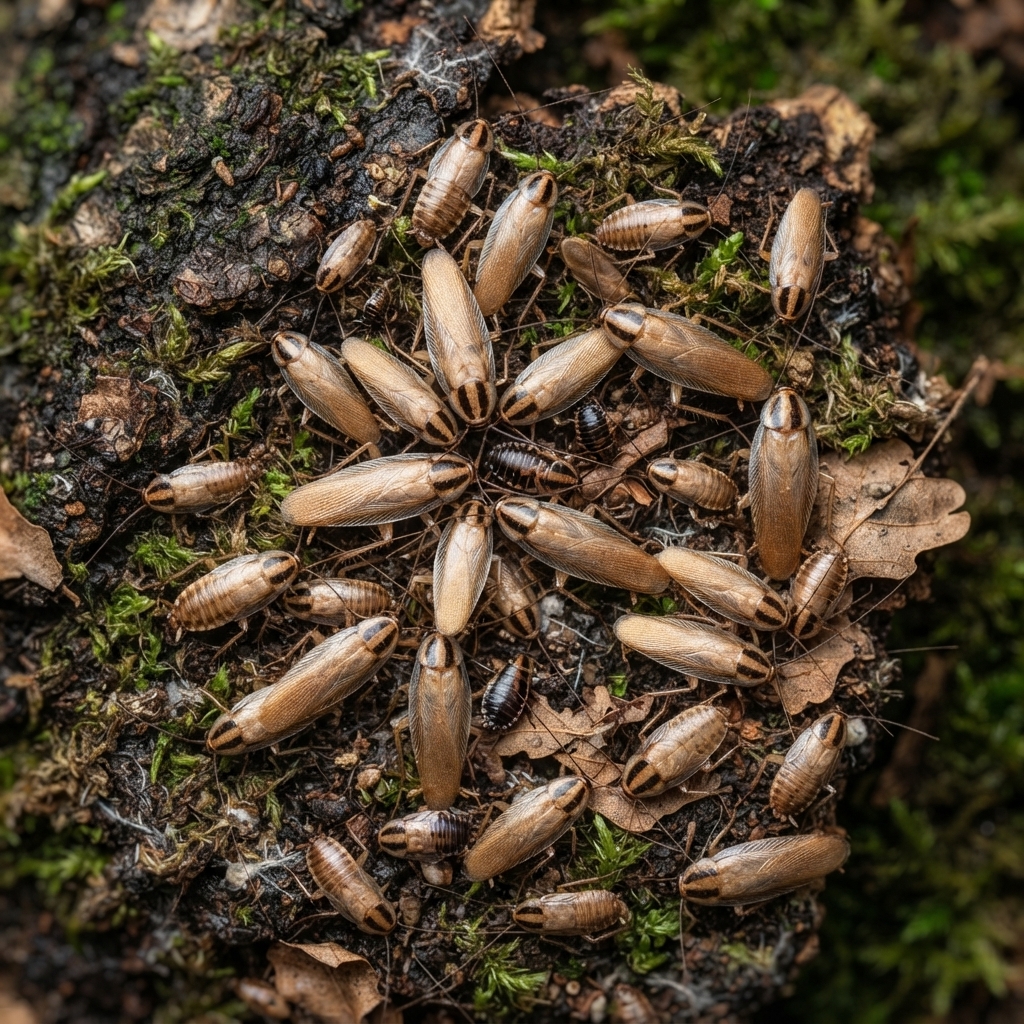
Step 3: Apply Targeted Outdoor Treatment
Treatment is applied to active outdoor areas where Asian cockroaches live and travel. Outdoor baiting can be particularly useful because Asian cockroaches spend most of their lives outside, and research from Texas A&M and UF/IFAS identifies outdoor baiting as an effective control strategy.
Start Service
Step 4: Reduce Entry And Light Attraction
We identify common routes into the home and recommend practical changes that can reduce nighttime attraction, such as adjusting exterior lighting, improving screens, and sealing gaps around doors and windows.
Start Service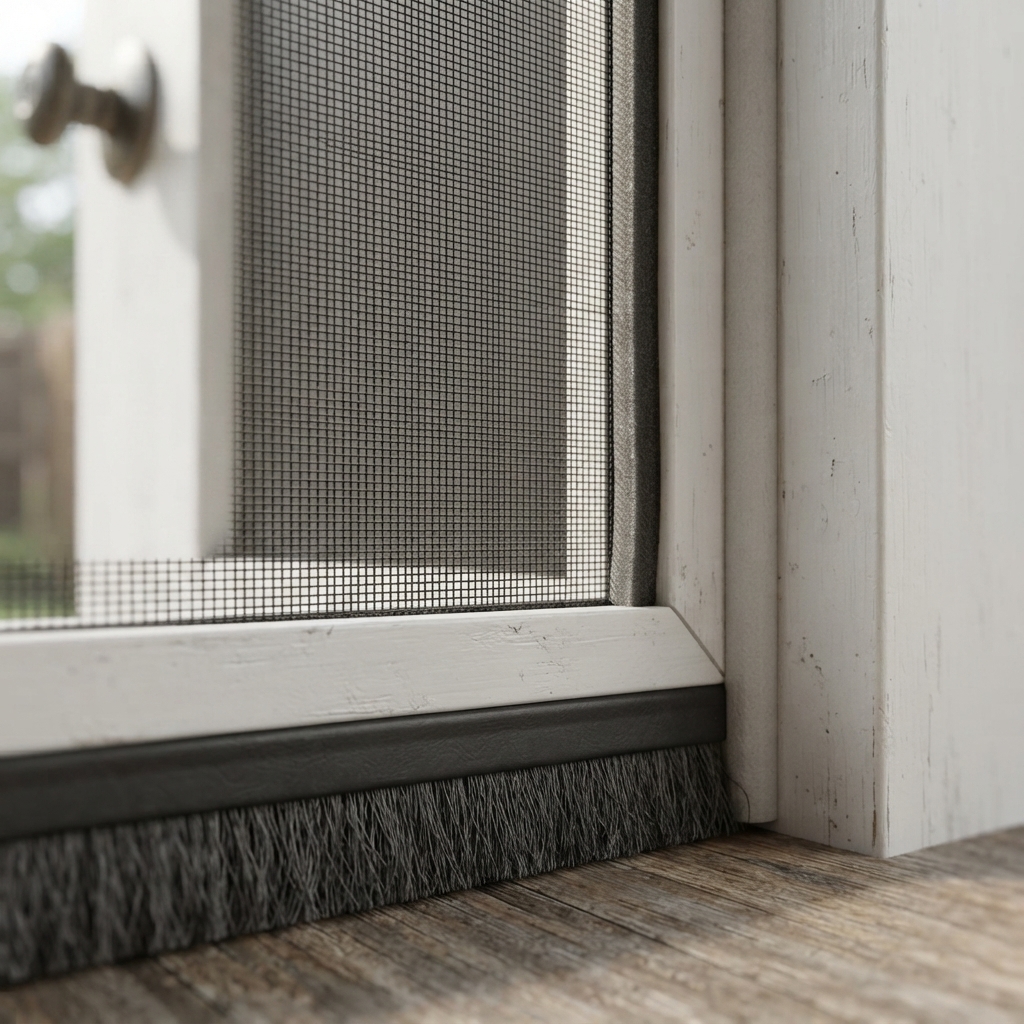
Keep Asian Cockroaches Out of Your Home
Why Asian Cockroaches Are Different
The Asian cockroach (Blattella asahinai) is closely related to the German cockroach and can be extremely difficult to tell apart by appearance alone. Both are roughly half an inch long, tan to light brown, and have two dark stripes behind the head.
The difference becomes much clearer when you watch how they behave.
Asian cockroaches spend most of their lives outdoors in shaded areas with leaf litter, mulch, grass, and other organic material. They become particularly active around dusk and are strongly attracted to lights. Unlike German cockroaches, they are capable of sustained flight and may fly toward illuminated windows, doors, walls, and porches.
That behavior changes how the infestation should be treated. If the source is outdoors, simply spraying the inside of the house may do very little.
Why Asian Cockroaches Keep Coming Back
Asian cockroach problems can be frustrating because the source may not be inside your home at all.
Your Landscaping May Be Supporting Them
Dense vegetation, mulch, compost, grass clippings, and accumulated leaf litter create the shaded, protected habitat Asian cockroaches prefer. Removing excessive organic debris can reduce favorable harborage around the structure.
Outdoor Lighting Can Draw Them In
Asian cockroaches are unusually attracted to light. At night, they may fly toward illuminated walls, windows, doors, and other surfaces around a home.
Nearby Populations Can Replenish Activity
Because Asian cockroaches are highly mobile and capable of sustained flight, eliminating a few visible roaches does not necessarily solve the problem. A large outdoor population can continue producing new adults that move toward the property.
Keep Asian Cockroaches Away
Long-term control is easier when your property doesn’t provide an ideal outdoor habitat.
Clear Leaf Litter
Remove accumulated leaves and decaying plant material around the foundation.
Manage Mulch
Keep thick layers of mulch away from the structure and avoid creating heavily shaded harborage directly against exterior walls.
Trim Dense Vegetation
Cut back shrubs, grass, and groundcover that create dark, protected areas next to the home.
Adjust Exterior Lighting
Where practical, use less attractive lighting near doors and windows to reduce the number of cockroaches drawn toward the structure. UF/IFAS specifically recommends lighting changes as part of Asian cockroach management.
Repair Screens And Seal Gaps
Close openings around windows, doors, vents, and other entry points to make it harder for flying adults to get inside.
We have treatments for every home and every pest problem.
Start ServiceAsian Cockroach Control Frequently Asked Questions (FAQs)
Get your Asian Roach pest control FAQs answered.
Start ServiceAre Asian Cockroaches The Same As German Cockroaches?
No. They are closely related and look remarkably similar, but they are different species. Asian cockroaches primarily live outdoors and fly readily, while German cockroaches are primarily indoor pests.
Why Are Asian Cockroaches Flying Into My House?
Asian cockroaches are strongly attracted to light, particularly around dusk and at night. Bright windows, porch lights, and illuminated walls can draw adults toward your home.
Where Do Asian Cockroaches Live?
They primarily live outdoors in shaded areas containing leaf litter, mulch, grass, compost, and other vegetation. They may occasionally enter homes, but indoor infestations are much less typical than with German cockroaches.
Are Asian Cockroaches Common In Texas?
Asian cockroaches have been reported in Texas and other Gulf Coast states. Texas A&M specifically identifies Asian cockroaches as an outdoor species that can occur in parts of the state.
Why Do I Keep Finding Small Roaches Near My Porch Light?
If the roaches are small, tan, striped, and capable of readily flying toward the light, Asian cockroaches may be responsible. Their strong attraction to illuminated surfaces is one of the best behavioral clues separating them from German cockroaches.
Stop Asian Cockroaches At The Source
Don't just kill the roaches you see. Impact Pest Control can identify the species, target outdoor populations, and help prevent Asian cockroaches from repeatedly finding their way into your home.