
I was very pleased with our pest service today. We were having an issue with ants in a couple areas. With the treatment and stop back by Mike as well as some suggestions on sealing them out, so far so good.
Get Rid of House Centipedes Fast with Professional Pest Control
If you're repeatedly finding centipedes in bathrooms, garages, basements, or other rooms, Impact Pest Control can help. Professional pest control services from Impact can help identify the problem and create a targeted treatment plan to eliminate centipedes from your home.
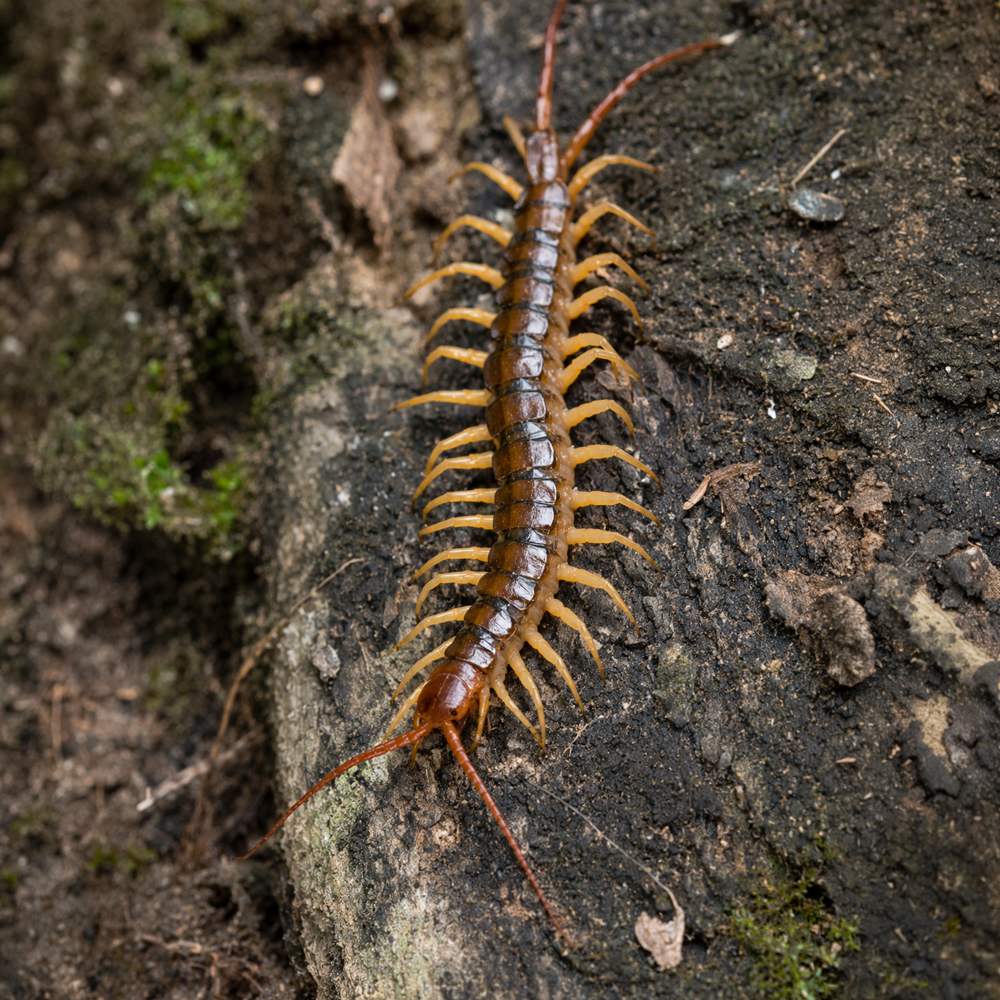
Trusted by 6,000+ homeowners

Take Back Your Home from Centipedes with Professional Pest Services
Centipedes can squeeze through small openings and hide in damp, protected areas around your property. Our technicians can target the areas where centipedes enter and create a treatment plan to keep them out.

How to Get Rid of Centipedes
Centipedes are fast-moving predators that can show up inside homes, garages, basements, bathrooms, and other areas where moisture and insects are present. Their long legs and quick movements can make them alarming to find, but seeing a centipede indoors doesn’t necessarily mean they’re establishing a large population inside the home.
Centipedes often enter from outdoor areas through cracks, gaps, doors, and other openings. They also seek out damp, sheltered environments where other small insects are available as food.
The best way to control centipedes is to look beyond the individual insects. Impact Pest Control can identify where centipedes are coming from, treat areas where they are active, and address the conditions that make your property attractive to them.
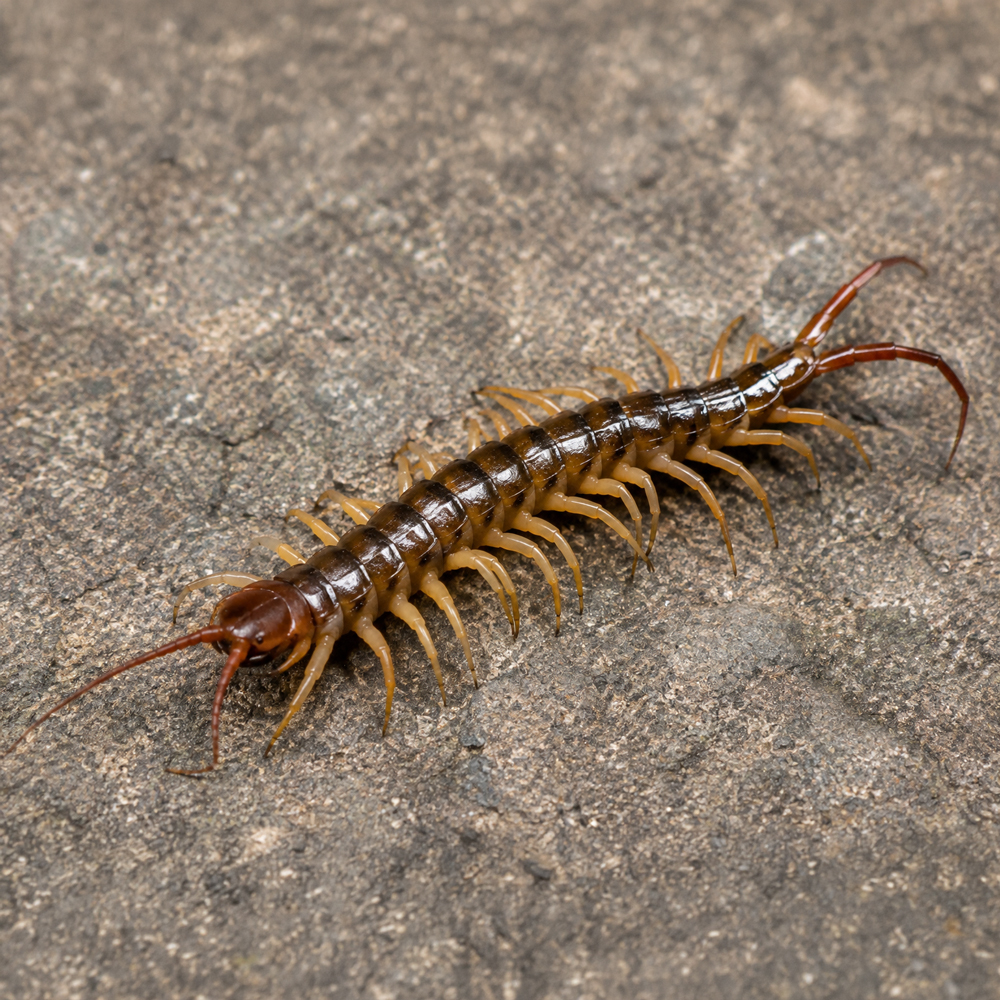
Centipede vs. Millipede: What's The Difference?
Centipedes and millipedes are often confused, but their behavior is very different. Centipedes need two things to remain active around a property: moisture and prey.
They commonly hide beneath rocks, mulch, leaves, wood, landscaping debris, and other damp materials outdoors. Around homes, they may also find suitable conditions in crawl spaces, garages, basements, bathrooms, and areas with plumbing leaks or excessive humidity.
Centipedes are predators, so an increase in centipede activity can also indicate that other small insects are available for them to eat. Spiders, cockroaches, ants, silverfish, and other arthropods can all become prey.
That makes centipede control partly about reducing the conditions that support the insects they hunt.
Start ServiceCentipedes
Centipedes are predators that actively hunt insects, spiders, and other small arthropods. They have flattened bodies, one pair of legs per segment, and are generally much faster.
Millipedes
Millipedes primarily feed on decaying organic matter. They tend to move more slowly and often curl into a coil when disturbed.
Why The Difference Matters
If you’re seeing centipedes around your property, controlling moisture and other insects can be more important than simply removing the centipedes themselves.
How Professional Centipede Control Works
Step 1: Inspect Inside and Outside
Professional centipede control focuses on where they're coming from and why they're staying, rather than simply treating the individual insects you see. Our trained technicians inspect areas where centipedes are commonly found, including bathrooms, garages, basements, crawl spaces, entry points, landscaping, and the exterior foundation.
Start Service
Step 2: Find Moisture and Harborage
The inspection looks for damp areas, dense vegetation, mulch, leaf litter, debris, cracks, and other conditions that can support centipedes and their prey.
Start Service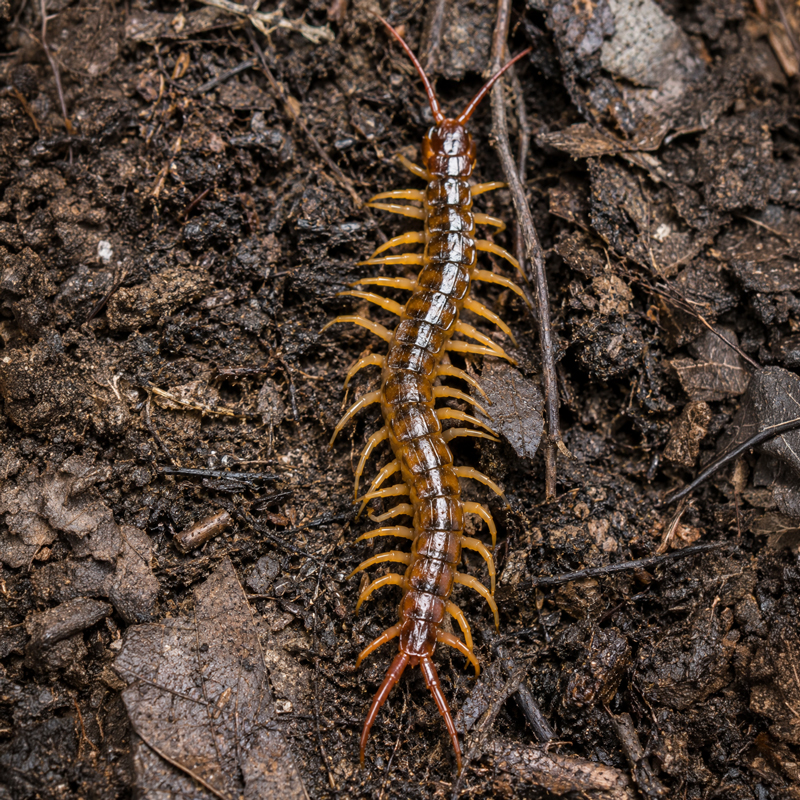
Step 3: Apply Targeted Treatment
Professional treatments can be applied to appropriate interior and exterior areas where centipedes are active or likely to travel. Exterior perimeter treatment can help reduce the number entering the structure.
Start Service
Step 4: Target the Conditions Around the Home
Where appropriate, recommendations may include correcting leaks, improving drainage, reducing outdoor harborage, and sealing potential entry points.
Start Service
Keep Centipedes Away From Your Home
Centipedes are fast, unsettling, and surprisingly good at finding their way indoors. They often show up in bathrooms, garages, basements, crawl spaces, and other areas where moisture and small insects are present.
While finding one centipede doesn’t always mean you have a larger problem, repeated sightings can point to damp conditions, outdoor harborage, or other pests providing a steady food source. Professional centipede control focuses on those underlying conditions—not just the centipedes you happen to see.
Here’s everything you can do to identify and target centipedes to keep them away from your home.
How To Identify Centipedes
Centipedes are easy to recognize once you know their basic characteristics.
Long, Flattened Bodies
Centipedes have elongated bodies divided into multiple segments, allowing them to move quickly through narrow spaces.
One Pair Of Legs Per Body Segment
Unlike millipedes, which generally have two pairs of legs per visible body segment, centipedes have one pair of legs per segment.
Long Antennae
Their prominent antennae help them navigate and locate prey, particularly in dark environments.
Fast Movement
Centipedes are known for moving quickly when disturbed. House centipedes, in particular, can appear surprisingly fast when they are discovered indoors.
Modified Front Legs
The first pair of legs is modified into venom-injecting structures called forcipules, which centipedes use to capture prey.
Signs You May Have A Centipede Problem
Centipedes In Bathrooms
Repeated sightings around tubs, sinks, or other damp areas can indicate that moisture is attracting them.
Centipedes In Basements Or Crawl Spaces
Activity in lower levels may point to damp conditions or easy access from outside.
Centipedes Around Doors And Windows
Repeated activity near entry points can indicate that outdoor centipedes are finding ways inside.
Increased Insect Activity
Because centipedes prey on other insects, seeing them repeatedly may indicate that other small pests are available nearby.
Centipedes At Night
Many centipedes are most active at night when they leave their hiding places to hunt.
Where Centipedes Hide
Finding where centipedes spend their time can help reveal why they are showing up.
Damp Crawl Spaces
Crawl spaces can provide darkness, moisture, and plenty of small insects for centipedes to hunt.
Bathrooms And Utility Areas
Centipedes may appear around sinks, tubs, floor drains, plumbing fixtures, and other areas where moisture is present.
Garages And Basements
Dark, sheltered spaces with cracks, clutter, and moisture can provide easy access and hiding places.
Under Mulch And Leaves
Outdoor centipedes commonly shelter beneath organic debris, rocks, boards, mulch, and other materials that retain moisture.
Around The Foundation
Dense vegetation, damp soil, landscaping debris, and gaps around the foundation can create conditions that bring centipedes close to the home.
Why Centipedes Keep Showing Up
Getting rid of the centipede you see doesn’t necessarily address why another one appears later.
Moisture Keeps Them Around
Leaking pipes, poor drainage, damp soil, condensation, and excessive humidity can create favorable conditions.
Other Insects Provide Food
Centipedes are predators. If ants, spiders, cockroaches, silverfish, or other small insects are active around the property, centipedes have a reason to stay.
Landscaping Creates Shelter
Leaves, mulch, rocks, wood, and dense vegetation can provide protected areas immediately outside the home.
Small Openings Provide Access
Cracks around foundations, gaps beneath doors, damaged screens, and openings around pipes or utilities can give centipedes an easy route indoors.
5 Ways You Can Keep Centipedes Away from Your Home
Reduce Moisture
Repair plumbing leaks and address drainage problems that leave soil or areas around the foundation consistently damp.
Move Debris Away
Keep firewood, boards, leaves, and other materials away from the foundation where possible.
Manage Mulch
Avoid excessive mulch directly against the structure and prevent landscaping from creating persistently damp conditions.
Seal Entry Points
Check around doors, windows, screens, utility penetrations, and foundation cracks for openings.
Control Other Pests
Reducing ants, cockroaches, silverfish, spiders, and other insects can remove some of the food sources that attract predatory centipedes.
5 Reasons To Call A Professional For Centipede Control
Stop Finding Centipedes In Your Home
If you’re repeatedly finding centipedes in bathrooms, garages, basements, or other rooms, Impact Pest Control can help identify where they’re entering and what’s keeping them around.
Find The Moisture Behind The Problem
Centipedes often favor damp conditions. Our technicians can inspect the property for moisture, harborage, and entry points that may be contributing to repeated activity.
Treat The Areas You Can’t Reach
Centipedes can hide beneath debris, around foundations, and in protected spaces. Professional exterior and interior treatments can target areas that are difficult to address with store-bought products.
Address The Insects They Feed On
Centipedes are predators, so their presence can be connected to other insect activity. A professional inspection can help identify the broader pest conditions around your property.
Get A Plan For Your Property
Every home has different moisture conditions, landscaping, entry points, and pest activity. Impact Pest Control can build a treatment plan around what our technicians actually find.
We have treatments for every home and every pest problem.
Start ServiceCentipede Frequently Asked Questions (FAQs)
Your questions about centipedes in your home answered.
Start ServiceAre Centipedes Dangerous?
Centipedes have venomous forcipules that they use to subdue prey, and some species can bite defensively if handled. Most encounters with household centipedes are not considered medically significant, but it’s best to avoid handling them.
Why Am I Finding Centipedes In My House?
Indoor centipedes are often associated with moisture, shelter, and the presence of other small insects they can hunt. Cracks and gaps around the structure can also provide access from outdoors.
What Do Centipedes Eat?
Centipedes are predators that feed on insects, spiders, and other small arthropods.
Do Centipedes Mean I Have Other Bugs?
Not necessarily, but repeated centipede activity can indicate that other small insects are available as prey. An inspection can help determine whether additional pest activity is present.
Why Are Centipedes In My Bathroom?
Bathrooms provide moisture, darkness, and potential hiding places. Plumbing penetrations and gaps can also provide access from wall cavities or other areas of the structure.
Do Centipedes Come Out At Night?
Many centipedes are primarily nocturnal. They may remain hidden during the day and become active after dark while searching for prey.
What's The Difference Between A Centipede And A Millipede?
Centipedes are predators with one pair of legs per body segment, while millipedes primarily feed on decaying organic matter and generally have two pairs of legs per visible body segment.
How Do I Keep Centipedes Out Of My House?
Reduce moisture, remove outdoor harborage, manage other insect activity, seal cracks and gaps, and maintain screens and door sweeps. Professional exterior treatment can provide an additional layer of protection when centipede activity continues.
Take Back Your Home From Centipedes
Killing a centipede doesn't address the moisture, shelter, and insect activity that may be attracting more. Get professional centipede control that looks at the conditions around your entire property so you can eliminate pests and keep your home bug free.